Our Story
About CCAPAD
Building bridges, healing communities, and fostering peace across Nigeria since 2010.
Organizational Overview and Legal Framework
The Centre for Community Actions for Peace and Development (CCAPAD) is a civil society organization dedicated to conflict transformation, sustainable peacebuilding, and human development in Nigeria's conflict-affected regions. Established in Jos, Plateau State, CCAPAD operates as a non-governmental, non-profit entity that was conceived in 2004 during the height of ethno-religious violence and formally institutionalized in 2010. The organization secured its full legal registration and documentation with the Corporate Affairs Commission (CAC/IT NO 97004) and the Economic and Financial Crimes Commission (EFCC) of the Federal Republic of Nigeria in 2017, ensuring compliance with national regulatory frameworks and demonstrating institutional accountability and transparency.
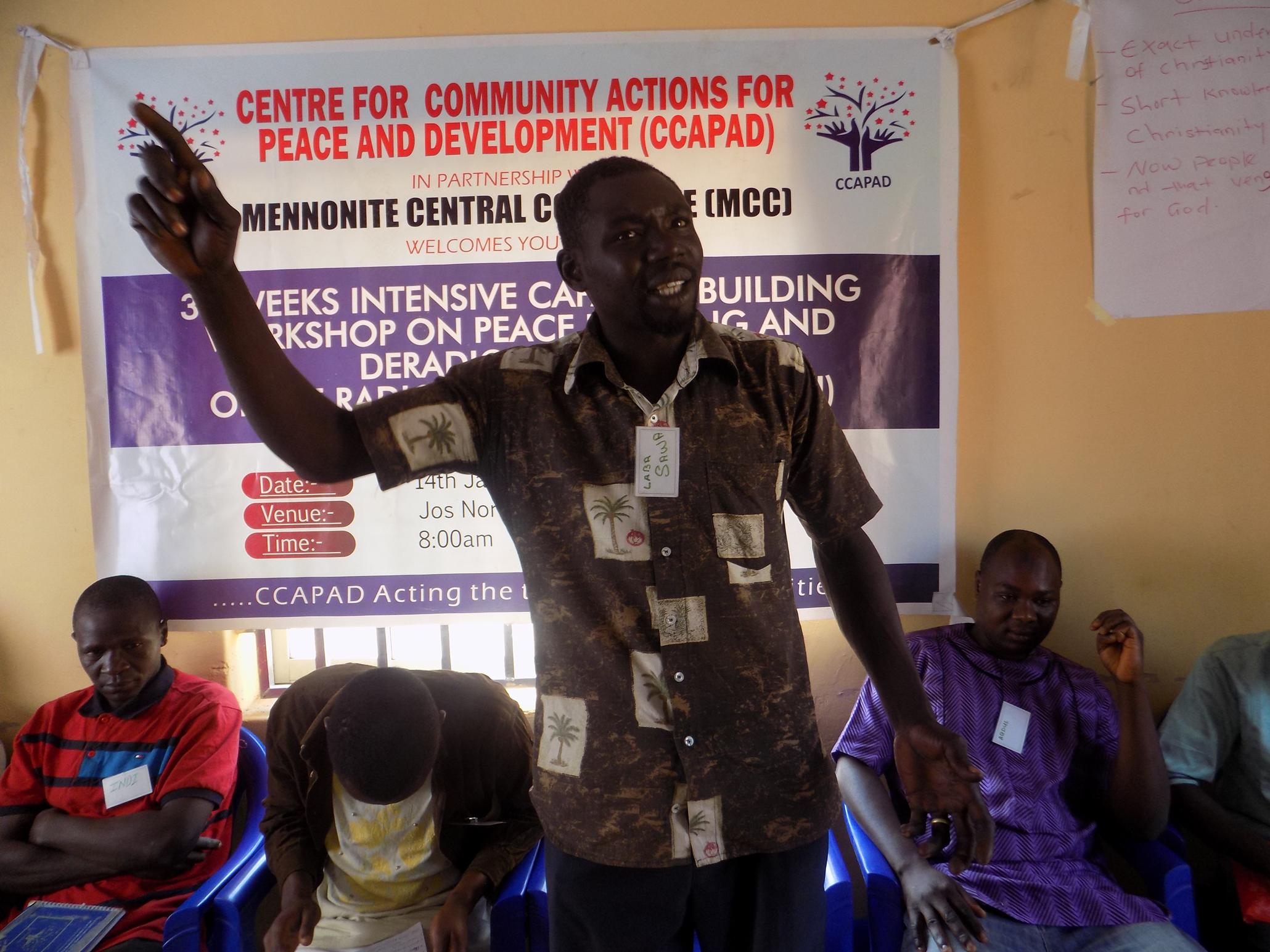
Recognizing the importance of global standards and international partnerships in peacebuilding architecture, CCAPAD expanded its institutional legitimacy by securing registration with the American Data and Universal Numbering System in 2018, obtaining a unique DUNS identification number 561295835. This registration facilitates engagement with international development actors and enhances the organization's capacity to access technical and financial resources from global partners. Additionally, CCAPAD's registration with the European Union Aid PADOR system (I.D Number: NG – 2020 – DSQ – 2708430988) positions the organization within the broader framework of EU humanitarian and development cooperation, enabling participation in multi-stakeholder peacebuilding initiatives and conflict-sensitive development programming.
We are currently a strong member of many Fora and networks including the Nigeria National NGOs (NNNGOS), Plateau Peace Practitioners Network (PPPN), Child Protection Network (CPN) and others.
Institutional Infrastructure and Geographic Footprint
CCAPAD's permanent headquarters is strategically located at CCAPAD House, Number 93/2, Williams Street, Off Maternity Clinic Junction, Jos, Plateau State. This location serves as the organization's operational nerve center for program coordination, strategic planning, and stakeholder engagement. Beyond its central hub, CCAPAD has established a decentralized organizational structure with functional community presence in Kaduna, Bauchi, Nasarawa, and Adamawa States, reflecting a deliberate strategy to enhance conflict sensitivity and contextual responsiveness across Nigeria's volatile northern region.
The organization maintains two regional coordination offices that facilitate cross-state collaboration and regional-level conflict early warning mechanisms. The North East regional office, situated in Mubi, Adamawa State, addresses the complex humanitarian-development-peace nexus in areas affected by insurgency, forced displacement, and protracted crisis. The North Central regional office in Lafia, Nasarawa State, coordinates interventions in a region characterized by farmer-herder conflicts, land tenure disputes, and inter-communal tensions. This multi-level operational architecture enables CCAPAD to implement community-based peacebuilding interventions while maintaining strategic coherence across diverse conflict contexts.
Human Resources and Organizational Capacity
In alignment with international best practices in peacebuilding and development programming, CCAPAD maintains a strong commitment to interfaith dialogue, gender mainstreaming, and inclusive representation within its institutional structure. The organization employs a diverse team comprising 17 permanent staff members and 6 ad-hoc personnel, complemented by an extensive network of community volunteers mobilized from across northern Nigeria. This human resource configuration reflects the organization's understanding that sustainable peace requires locally-owned solutions and the meaningful participation of diverse social actors.
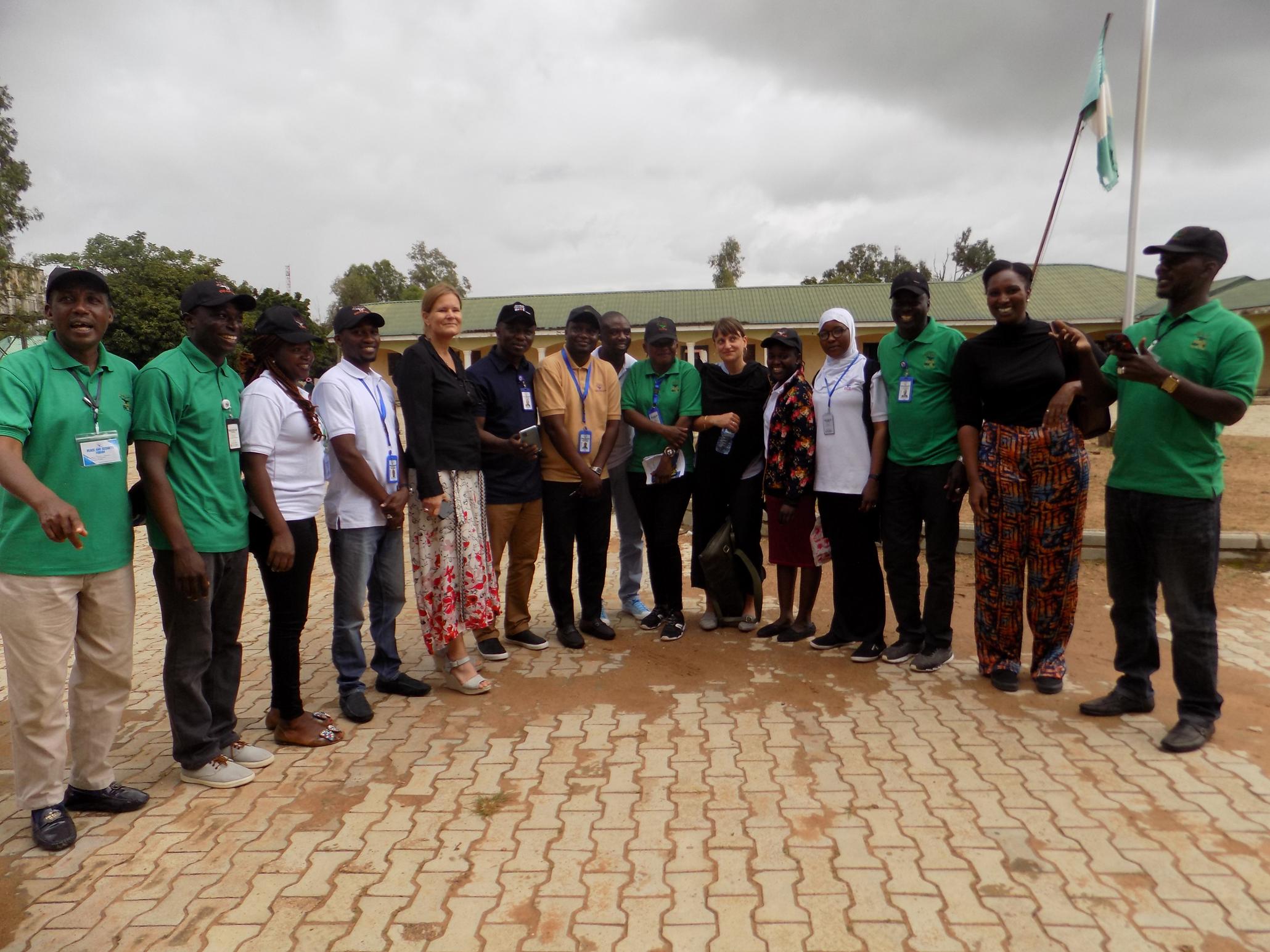
CCAPAD's adherence to interfaith and gender balance principles demonstrates institutional recognition that identity-based conflicts require transformative approaches that transcend traditional power structures and promote social cohesion across religious and gender divides. By integrating diverse perspectives and experiences into its organizational culture, CCAPAD enhances its legitimacy among conflict-affected communities and strengthens its capacity to facilitate inclusive dialogue processes that address root causes of structural violence and systemic marginalization.
Historical Context and Conflict Dynamics that birthed CCAPAD
The Genesis of CCAPAD: Responding to Protracted Conflict
The conceptual foundation of CCAPAD emerged in 2004 during an acute phase of cyclical violence that devastated Jos North Local Government Area and extended across multiple localities within Plateau State. This period witnessed catastrophic humanitarian consequences including mass casualties, large-scale property destruction, internal displacement, and the spatial segregation of communities along ethno-religious fault lines. The conflict resulted in fractured social fabric, eroded intergroup trust, and the emergence of parallel governance structures that institutionalized division and perpetuated mutual grievances.
The protracted nature of these conflicts, characterized by recurring episodes of violence and failed peace agreements, revealed the limitations of conventional security-centric approaches and underscored the necessity for comprehensive peacebuilding interventions that address underlying structural inequalities, historical injustices, and competing narratives of victimhood. Recognizing that similar conflict dynamics and drivers existed across northern Nigeria—including resource-based conflicts, political instrumentalization of identity, weak institutional capacity for conflict resolution, and inadequate governance structures—CCAPAD expanded its programmatic scope to encompass conflict-affected states throughout northern Nigeria and a few selected states in the south that might as well be experiencing similar challenges.
Understanding Plateau State: A Microcosm of Nigeria's Diversity and Fragility
Plateau State, situated within Nigeria's North Central geopolitical zone, represents a critical case study in the complex intersection of diversity, resource competition, and violent conflict. With an estimated population of 3.2 million people according to 2006 census figures distributed across 17 Local Government Areas (LGAs), the state is frequently characterized as a "miniature Nigeria" due to its extraordinary ethnic heterogeneity encompassing over 40 indigenous ethnic groups alongside numerous settler communities.
Historically, Plateau State functioned as a commercial nerve-center during the colonial and post-colonial mining era, attracting diverse populations seeking economic opportunities in tin mining and related industries. This demographic transformation established Jos as a cosmopolitan urban center while simultaneously creating complex questions of indigeneity, land rights, citizenship, and political representation that would later become principal drivers of violent conflict. The state's economy remains predominantly agrarian, with substantial populations engaged in subsistence agriculture and pastoralism, creating structural conditions for farmer-herder conflicts over increasingly scarce natural resources exacerbated by climate change, environmental degradation, and population growth.
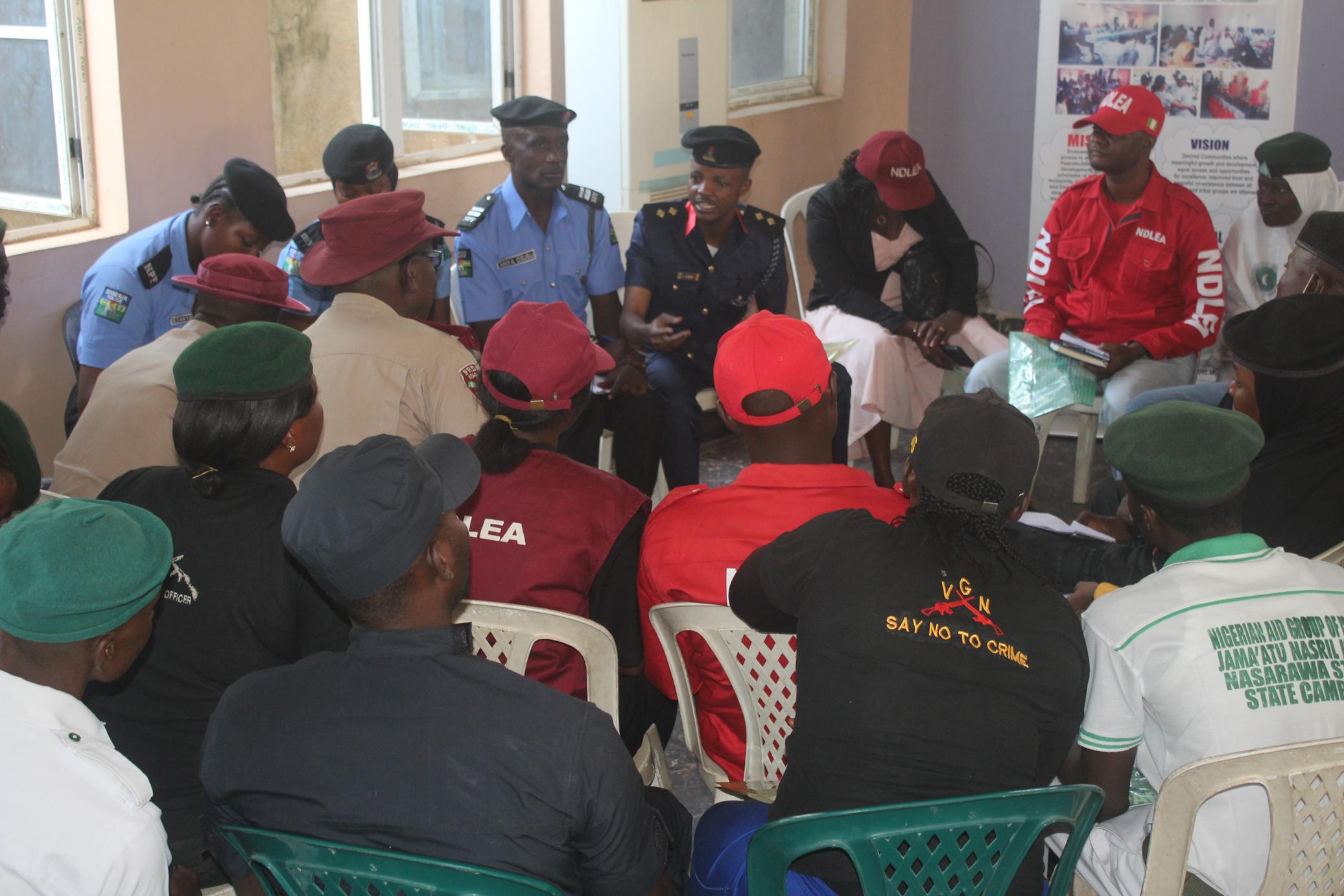
Jos North LGA, serving as the state capital and administrative headquarters, has become the epicentre of recurring violence and the primary site of CCAPAD's community-based peacebuilding interventions. The concentration of diverse populations, competition over political power and economic resources, and historical grievances has transformed Jos North into a highly contested space where national-level political dynamics intersect with local conflict systems.
Patterns of Violence and Conflict Escalation
Since 1994, Plateau State has experienced persistent cycles of deadly communal violence manifesting along multiple cleavages including religious identity (Christian-Muslim tensions), ethnic affiliation (indigenous-settler disputes), political competition, and livelihood systems (farmer-pastoralist conflicts). Major escalations occurred in 2001, 2004, 2008, 2010, and 2011, each episode resulting in significant loss of life, displacement of populations, destruction of livelihoods, and deepening of intercommunal mistrust.
These conflicts exhibit characteristics of protracted social conflict, including intergenerational transmission of grievances, militarization of communities, emergence of youth militia groups, proliferation of small arms, and breakdown of traditional conflict resolution mechanisms. The violence has created segregated residential patterns, paralyzed economic activities, undermined state authority, and generated competing narratives that frame conflicts through lenses of existential threat, self-defense, and historical victimization. The complexity of these overlapping conflict dimensions necessitates multifaceted peacebuilding approaches that simultaneously address immediate violence while transforming underlying structural conditions and relational dynamics. These and many other compelling factors necessitated the emergence of CCAPAD as a bottom-top multi-stakeholder platform that addresses these conflicts wholistically.
Leadership and Organizational Vision
The Founder's Journey: From Practice to Institutional Innovation
The establishment of CCAPAD is inextricably linked to the professional trajectory and personal commitment of its founder and Chief Executive Officer, Dr. Ahmed Salihu (Ph.D. in view). Dr. Salihu's extensive experience in peace and development programming across multiple organizations and projects provided critical insights into the systemic gaps, implementation challenges, and theoretical-practical disconnects that constrained the effectiveness of existing peacebuilding interventions in Plateau State and beyond.
Throughout the early 2000s, numerous well-intentioned stakeholders—including international organizations, government agencies, religious institutions, and civil society actors—implemented various peace initiatives ranging from capacity-building workshops and technical training programs to direct mediation between conflicting communities. While these interventions demonstrated genuine commitment to peace restoration, they often suffered from limited sustainability, inadequate community ownership, insufficient attention to power asymmetries, and failure to address root causes of conflict beyond immediate triggers.
Dr. Salihu's critical observation of these programmatic limitations, combined with his deep understanding of local conflict dynamics and extensive networks across diverse communities, catalysed his vision for a transformative organizational model. This model would prioritize grassroots participation, bridge-building across social divides, locally-owned conflict resolution mechanisms, and systematic engagement with structural drivers of violence rather than merely responding to symptomatic manifestations.
Institutional Development: From Concept to Implementation
The organizational evolution of CCAPAD reflects a deliberate, phased approach to institutional capacity building and programmatic development. Conceived and informally launched in 2004 as a response to immediate humanitarian needs and peace deficits, the initiative underwent a five-year incubation period (2004-2009) characterized by relationship-building with conflict-affected communities, development of contextually-appropriate methodologies, and testing of intervention models.
Beginning in 2009, CCAPAD transitioned to skeletal operations, establishing preliminary organizational structures, recruiting initial personnel, and implementing small-scale pilot interventions across select communities in Plateau State. This experimental phase enabled the organization to refine its approaches based on community feedback, demonstrate tangible impact, and build credibility among local stakeholders and traditional authorities. The positive community reception and stakeholder encouragement during this period validated CCAPAD's methodology and provided momentum for formal institutionalization.
Following meticulous completion of legal registration requirements with relevant Nigerian government agencies, CCAPAD officially launched its expanded operations in 2017. This milestone marked the organization's transition from informal community initiative to professionalized civil society organization with permanent office infrastructure, employed professional staff, formalized governance structures, and diversified programming across multiple thematic areas and geographic locations.
Programmatic Approaches and Methodological Innovations
Governance Structure and Participatory Leadership
CCAPAD's organizational governance reflects its commitment to inclusive representation and conflict-sensitive programming. The organization operates under the guidance of a carefully balanced Board of Trustees that ensures interfaith representation and gender parity, embodying the principle that peacebuilding institutions must model the inclusive values they seek to promote within society. This governance structure enhances organizational legitimacy, facilitates access to diverse constituencies, and ensures that strategic decision-making incorporates multiple perspectives and conflict sensitivities.
Community-Centered Peacebuilding Architecture
CCAPAD has pioneered an innovative approach to community mobilization and participatory peacebuilding by positioning itself as a neutral convening platform and institutional bridge connecting diverse Community Development Associations (CDAs) across conflict-affected localities. This methodology recognizes that sustainable peace requires strengthening horizontal linkages between communities, creating safe spaces for dialogue across differences, and empowering local actors to collectively identify problems, negotiate solutions, and implement community-owned peace initiatives.
By facilitating structured engagement among CDAs representing different ethnic, religious, and geographic constituencies, CCAPAD enables communities to transform grievances and develop shared understanding of interconnected challenges. This collaborative problem-solving approach builds social capital, strengthens community agency, and creates institutional mechanisms for ongoing dialogue and joint action beyond the lifespan of specific projects.
Data Systems and Evidence-Based Programming
A distinguishing feature of CCAPAD's operational model is its systematic documentation and maintenance of comprehensive databases covering Community Development Associations across multiple Local Government Areas in Plateau State. This information management system represents the single largest repository of CDA data in critical conflict zones mainly in Jos North LGA, providing invaluable resources for conflict analysis, stakeholder mapping, community mobilization, and impact monitoring.
This evidence-based approach to peacebuilding enables CCAPAD to conduct rigorous conflict assessments, identify key actors and power dynamics, track changes in community relations over time, and adapt programming based on evolving conflict dynamics. The database serves multiple functions including early warning indicators, contact networks for rapid response, and institutional memory that enhances organizational learning and programmatic refinement.
Strategic Partnerships with International Donors and Programmatic Reach
CCAPAD's expanding influence and programmatic impact reflect successful cultivation of strategic partnerships with diverse international development actors, humanitarian organizations, global donors and funders alike. The organization has established collaborative relationships and enjoyed funding from distinguished partners including MCC/TMH Canada, Nexus Fund USA, USAID through the North-East Regional Initiatives (NERI) program, Global Centre on Cooperative ssecurity-UK, Care-fronting, LAF-UK, Brot-Germany, European Union among others.
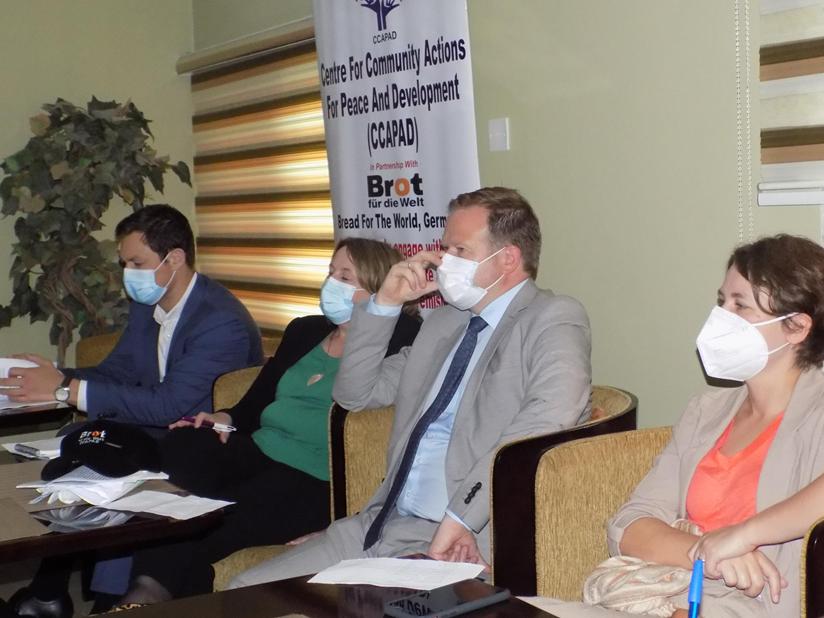
These partnerships have enabled CCAPAD to implement multi-thematic programming addressing conflict transformation, human rights promotion, livelihood resilience, women's empowerment, youth engagement, interfaith dialogue, and community-led development across multiple states in Nigeria. The organization's proven capacity to deliver results, maintain financial accountability, and demonstrate measurable impact has positioned CCAPAD as a trusted implementing partner within Nigeria's development and peacebuilding ecosystem.
Through these collaborative initiatives, CCAPAD continues expanding its geographic footprint, deepening its technical expertise, and contributing to the broader objective of building sustainable peace, strengthening social cohesion, and advancing human development in Nigeria's most fragile and conflict-affected regions.